 Aser One
LearnStart here: one result at a time
How to calculate your real food cost and price a dish
Know what each portion costs, and what to charge to reach your target.
On the computer, 6 steps
Guide 4 of 5 in Start here: one result at a time
What you need
- Your ingredients, with their units.
- What you last paid for them.
- The recipe for one portion and the selling price.
Start your free trial
Press Create an account below. Your free trial starts straight away, and no card is needed.
-
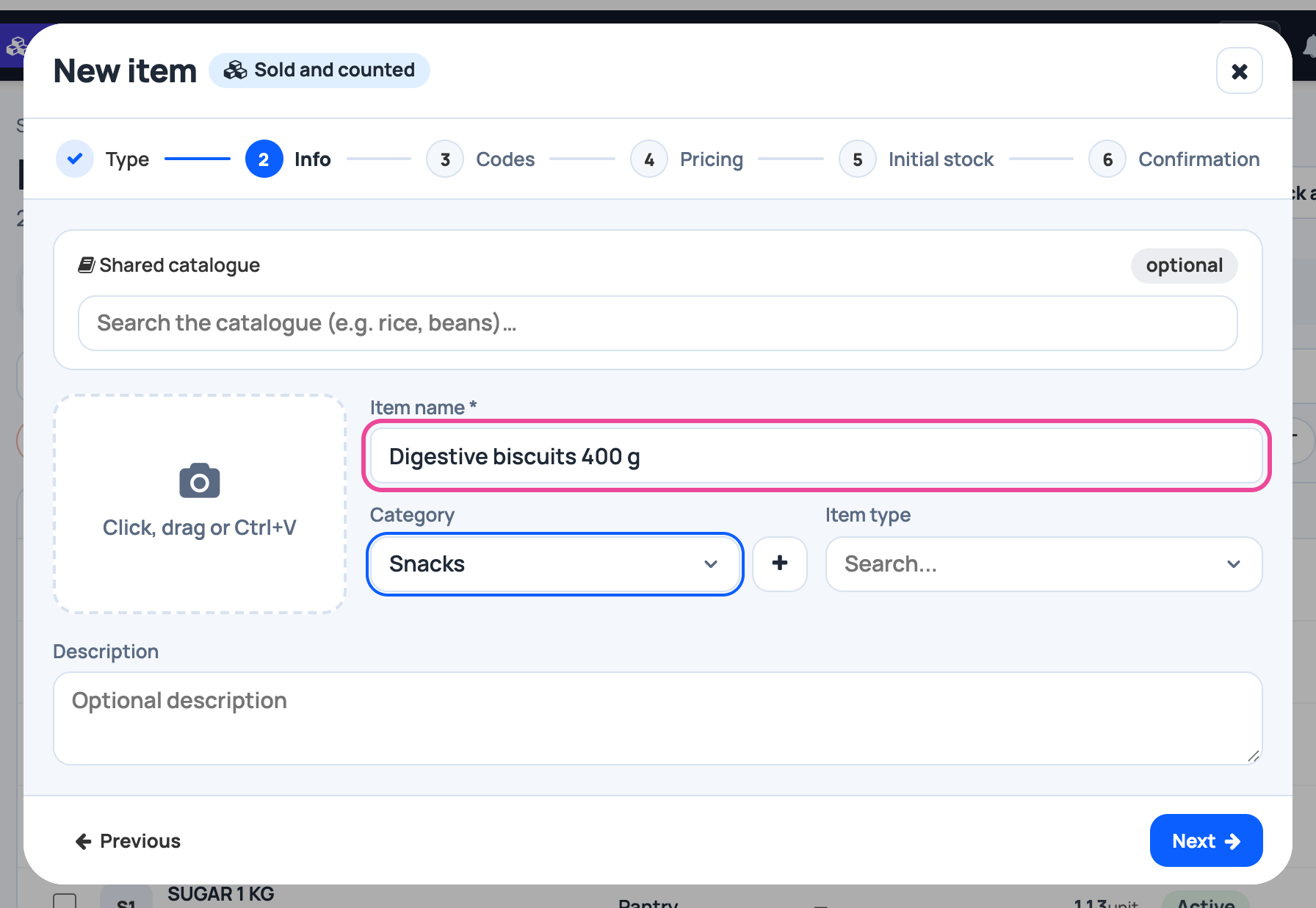
Create each ingredient
Give it a name and a unit, such as kg.
-
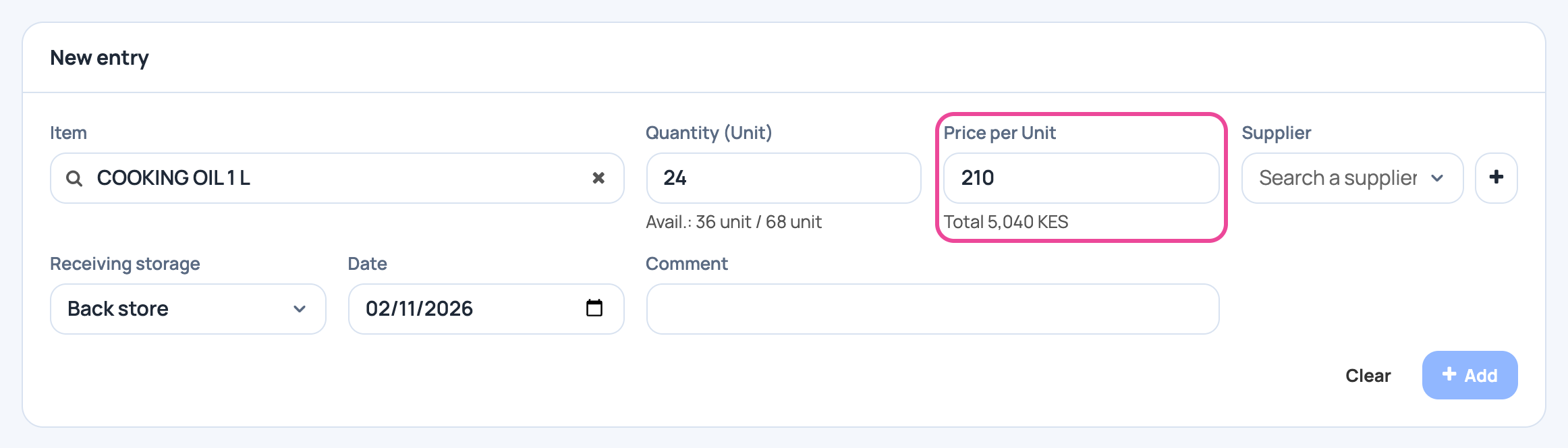
Record what you paid
Each purchase updates the ingredient’s cost.
-
Write the recipe
Add each ingredient and the quantity for one portion.

-
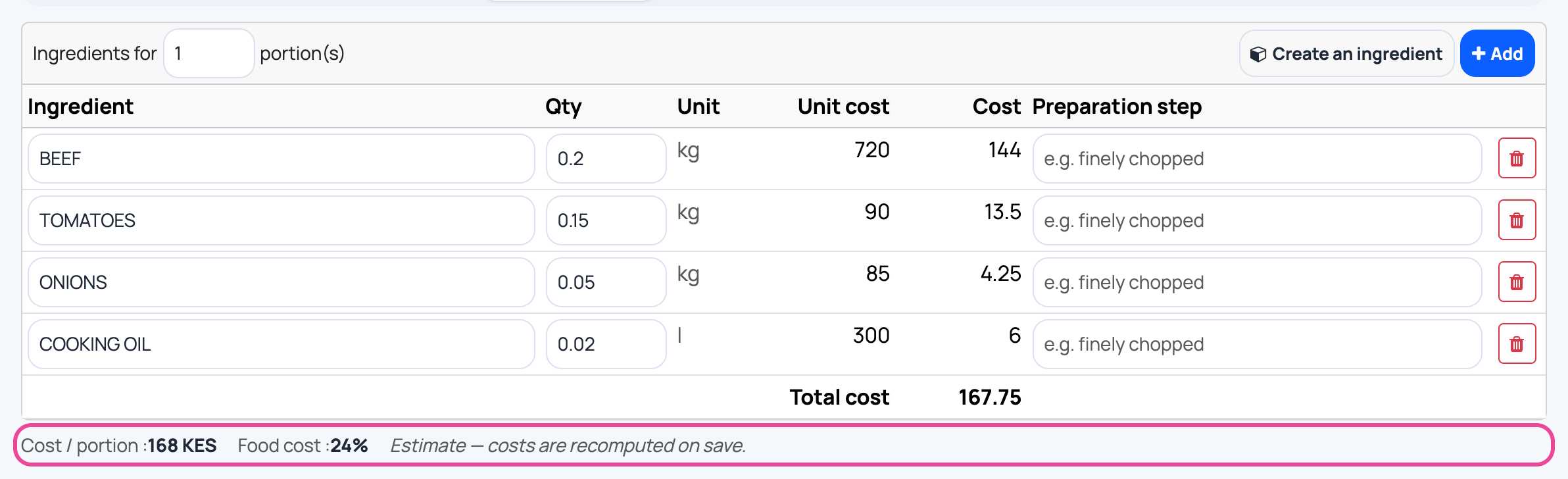
See the cost as you type
The cost of one portion and its food cost appear in the recipe.
-
Read the dish
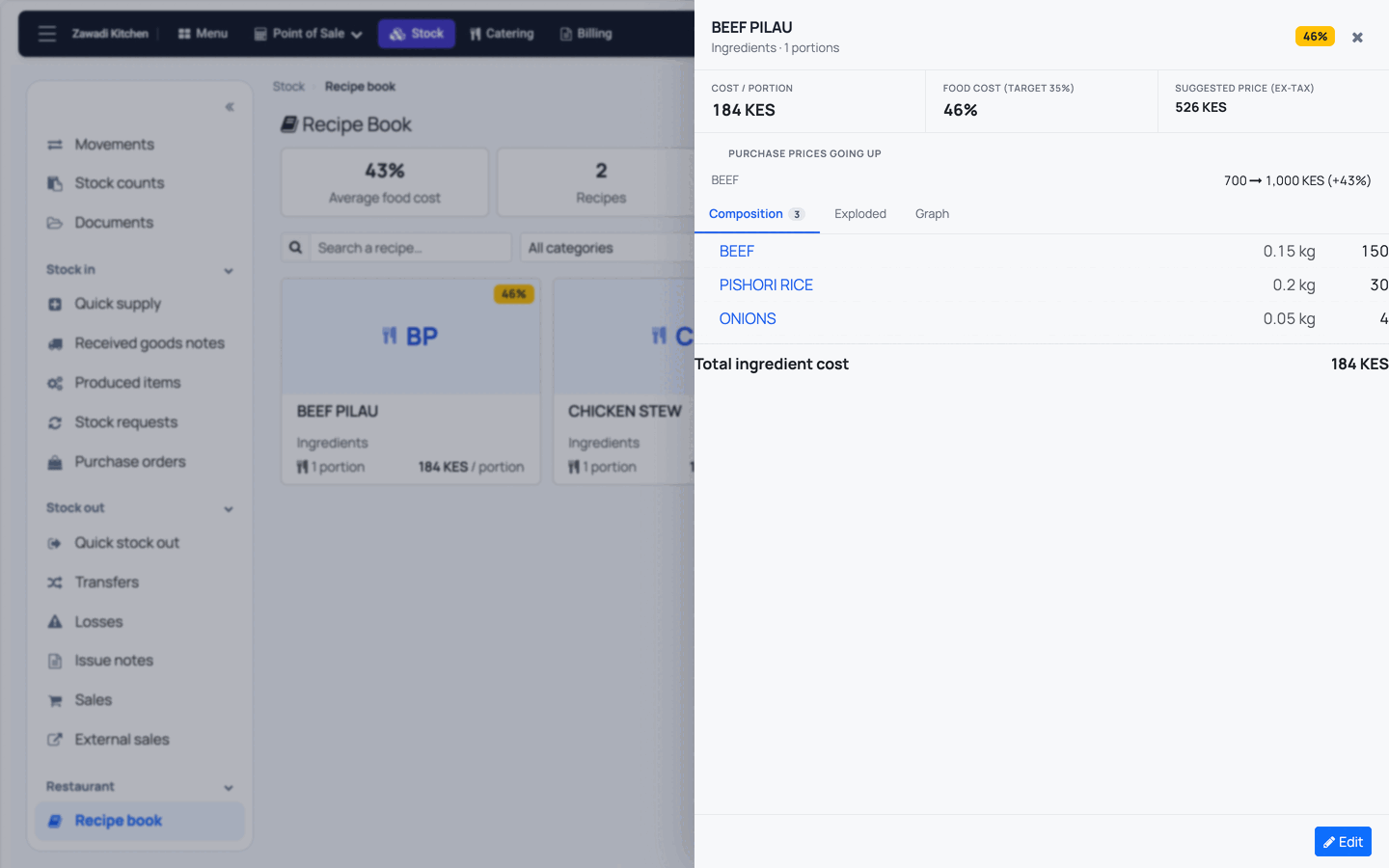
In Recipe book, open the dish. You see cost, food cost, suggested price and each ingredient.
-
Compare all your dishes
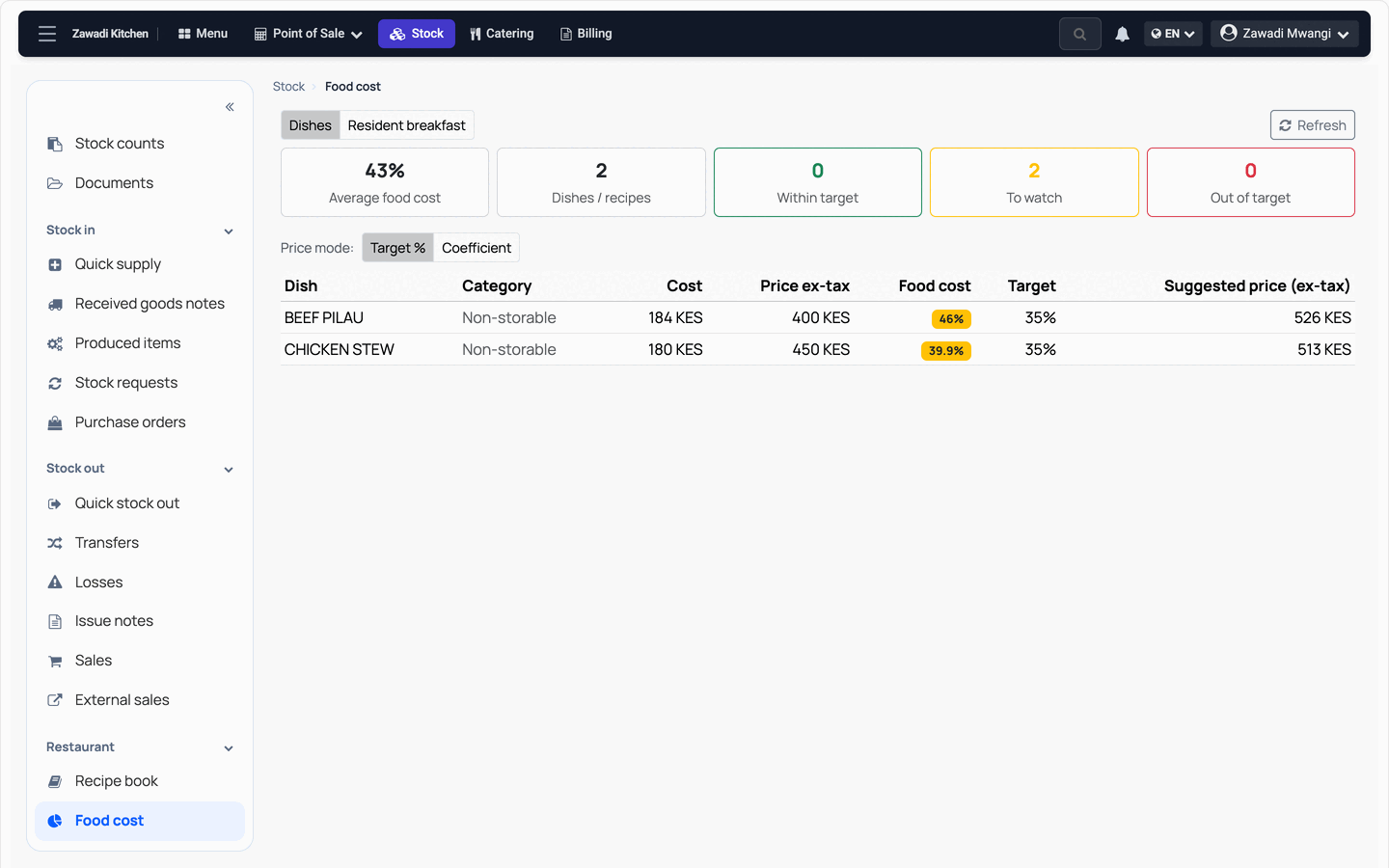
Food cost lists each dish’s cost, price, target and suggested price before tax.
Every day
- Keep recording purchases at the price you paid.
- Check Purchase prices going up on a dish when costs rise.
- Decide: change the price, or change the recipe.
What you see
Beef went from 700 to 1,000 KES per kg. The pilau’s cost went from 139 to 184 KES, its food cost from 35% to 46%, and the suggested price to 526 KES.
Time and effort
Each dish needs its recipe once. After that, your purchases update the cost.
Common mistakes
- Mixing units. A recipe in grams on an item bought in kg must still match.
- Using an old price. The cost follows your purchases, so keep recording them.
- Forgetting tax. The price and the suggested price here are before tax.
Next step
More guides
- 1How to set up employee attendance with face verificationFrom the free trial to your first real clock-in.
- 2How to track business income and expenses without typing everythingReceipts and statements in, a clear picture out.
- 3How to find unexplained stock differencesPurchases, sales and a count, then the difference.
- The Start here: one result at a time appStart here: one result at a time
- All guidesLearn